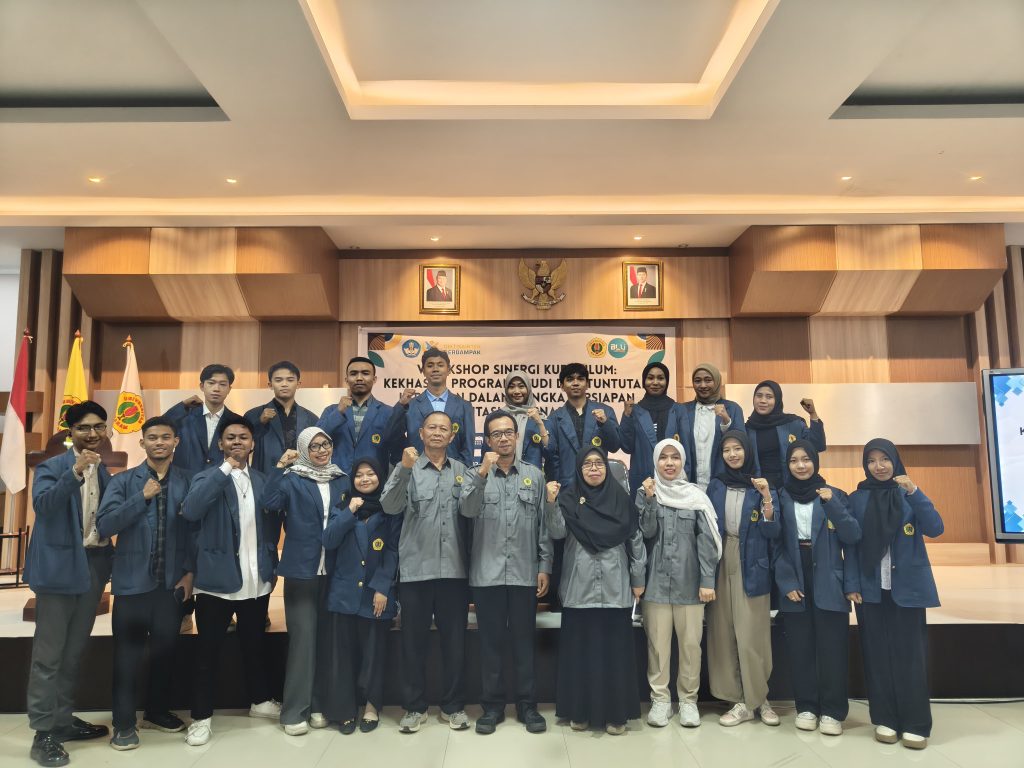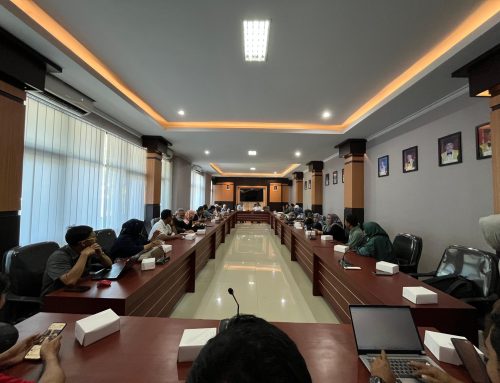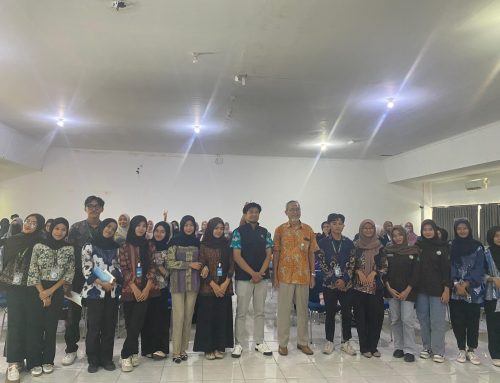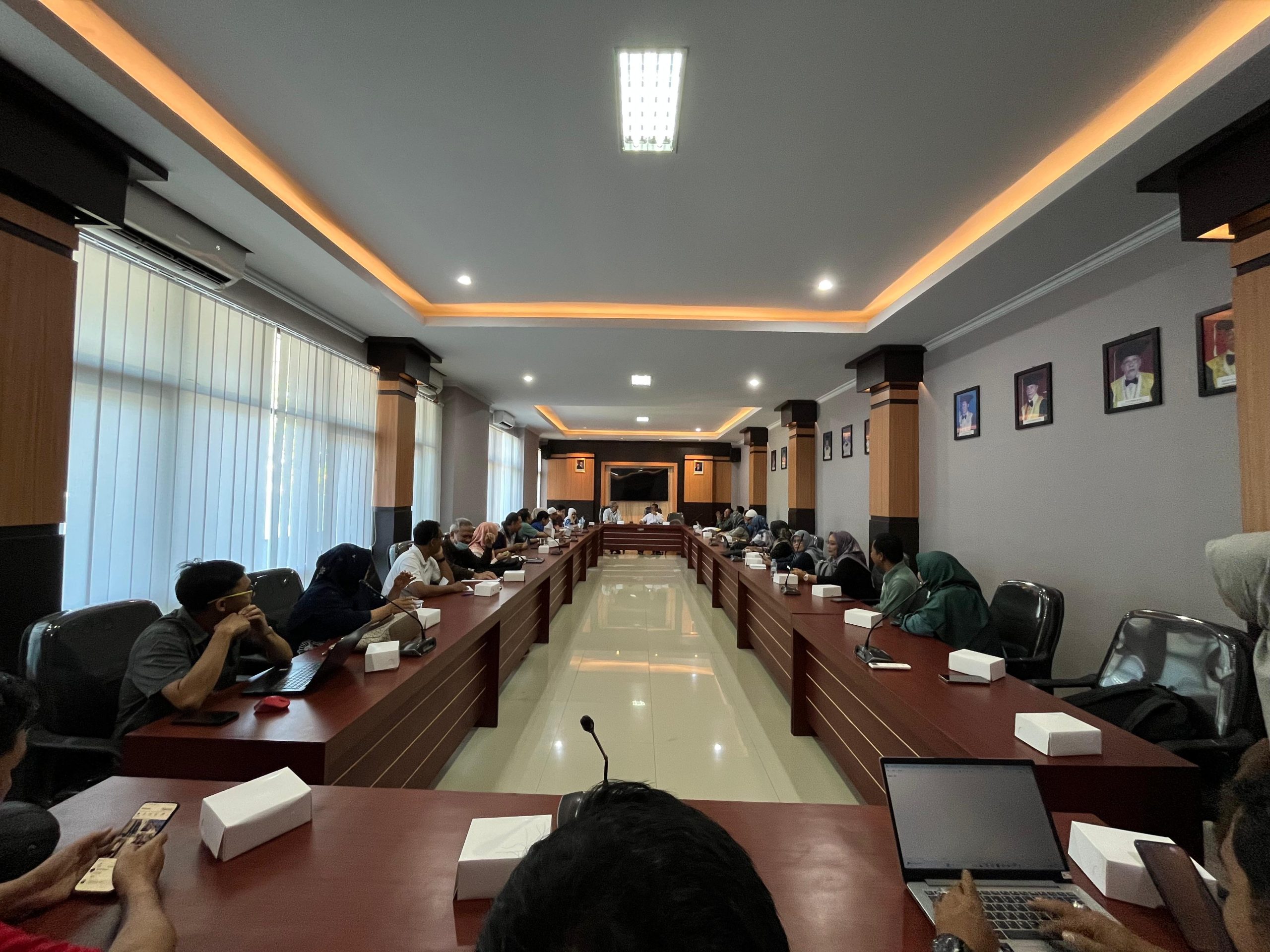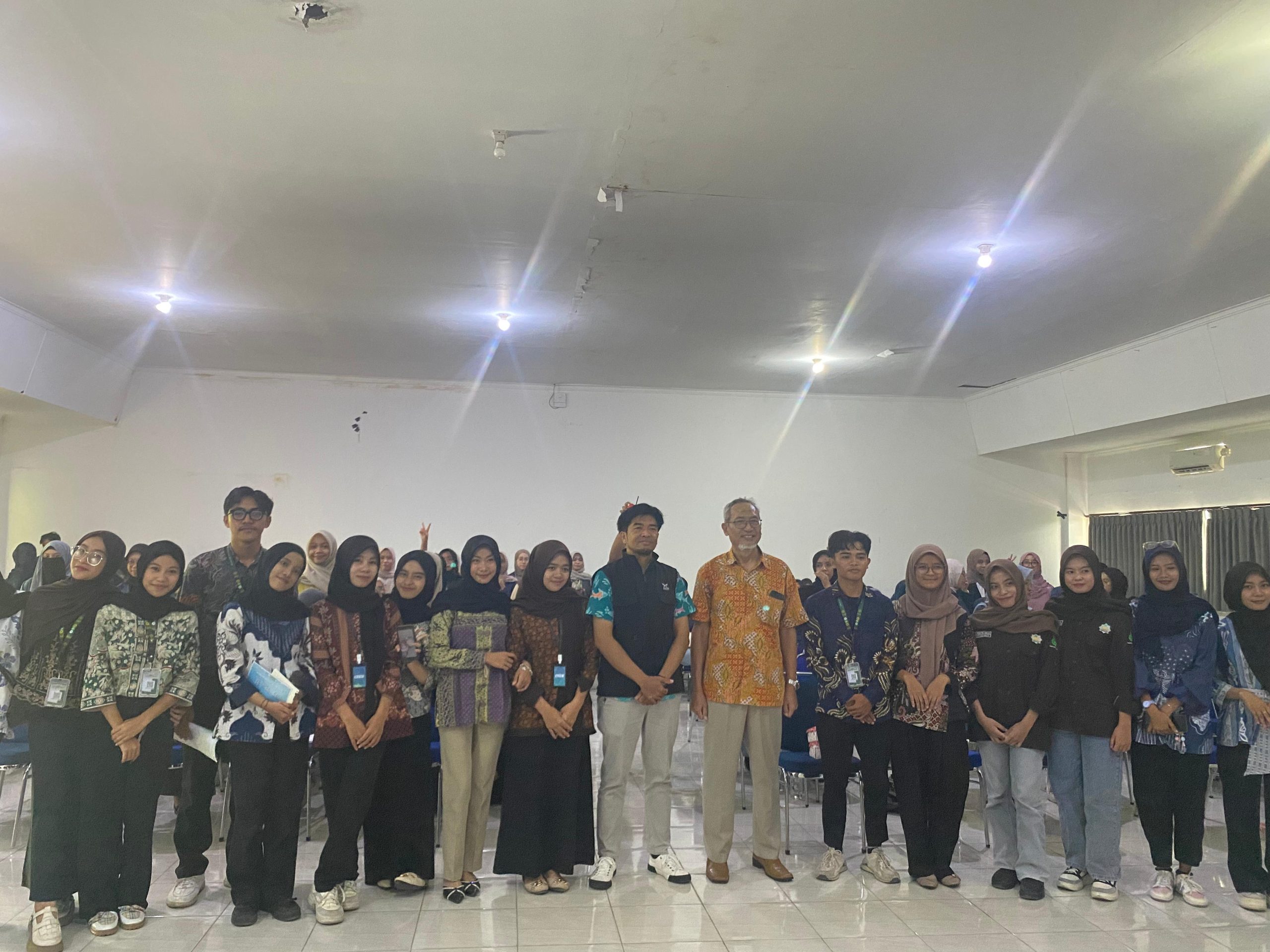
On Tuesday, July 29, 2025, the Biology Education Study Program successfully held the “Curriculum Synergy Workshop: Distinctiveness of the Program and Industry Demands” as part of its ongoing effort to reconstruct a curriculum that is responsive to the changing times and the demands of the job market. The event was attended by lecturers, students, alumni, and representatives from external stakeholders.
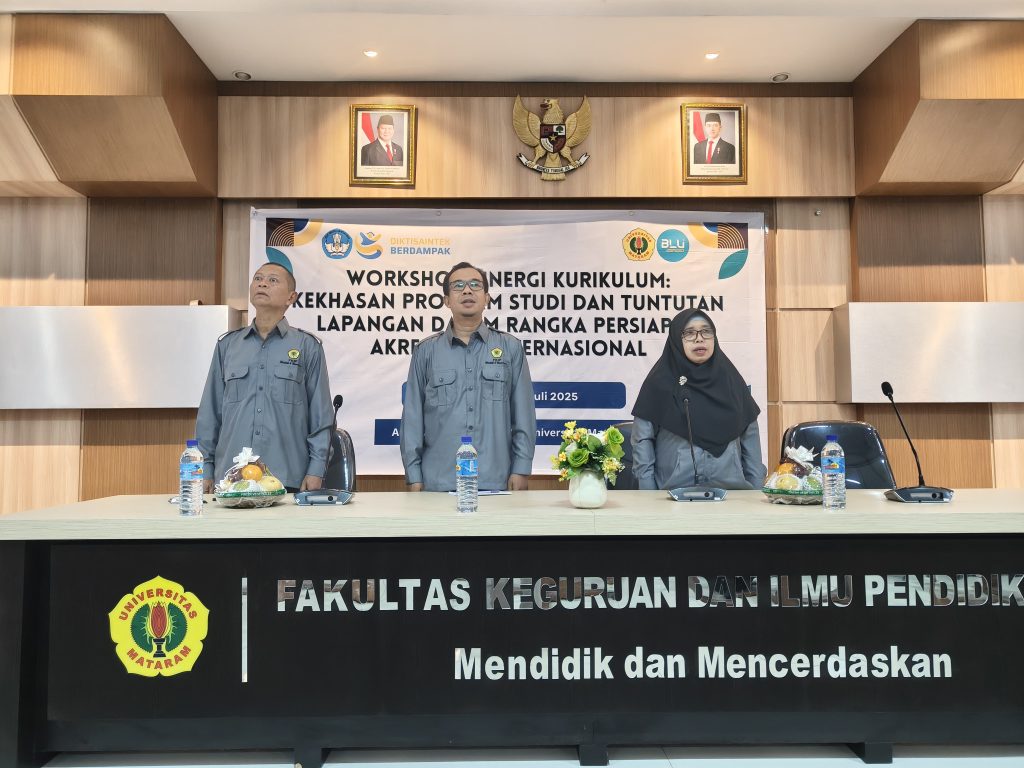
The workshop featured Drs. I Made Sujana, M.A. from the Institute for Learning Development and Educational Quality Assurance (LPMPP) of the University, who delivered insights on the fundamental principles of Outcome-Based Education (OBE) and introduced two new compulsory university courses, Island Ecosystems and 21st Century Literacy. These courses are designed to equip students with both local-global perspectives and essential 21st-century skills.
The keynote speaker, Prof. Dr. Din Wahyudin, M.A. from Indonesia University of Education (UPI), highlighted the connection between OBE and the Sustainable Development Goals (SDGs). He emphasized the importance of aligning learning objectives, graduate competencies, and study program contributions with sustainable development.
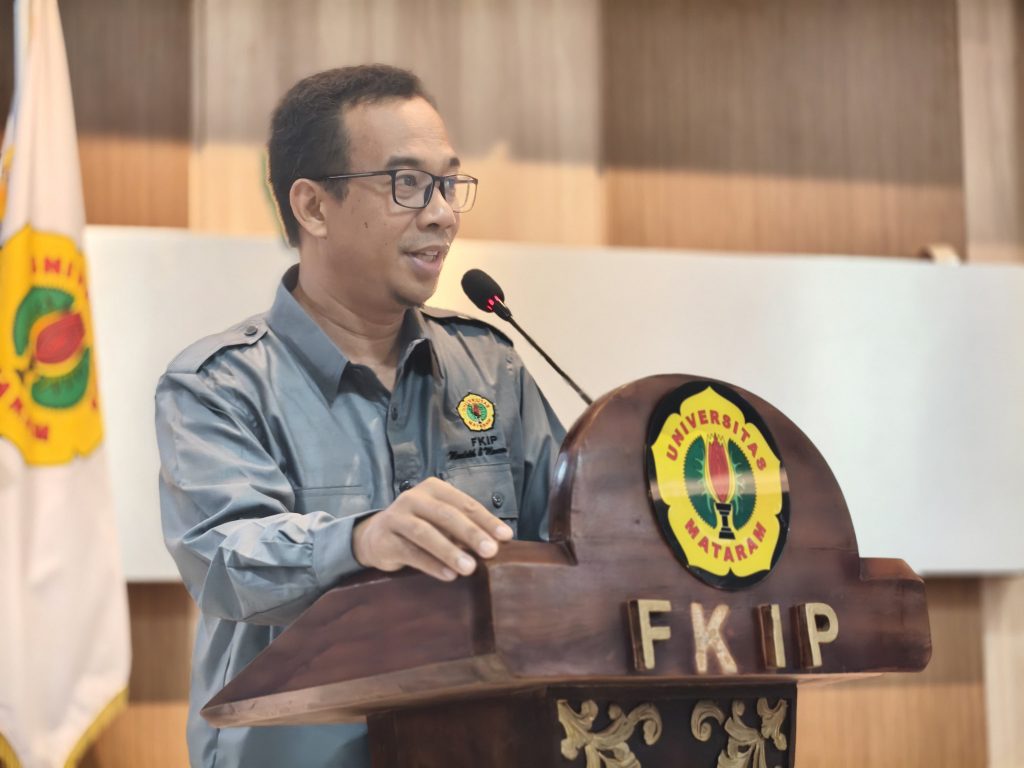
Discussions led by Prof. Dr. Gito Hadiprayitno, M.Si. resulted in the understanding that study program courses relevant to the new compulsory university courses could be integrated into their content. The dialogue also offered fresh perspectives for the program, particularly in shaping its academic identity and curriculum through multiple lenses such as graduate profiles, preparation for further studies, and readiness to face digital and global challenges of the 21st century. Engagement with alumni and stakeholders further underscored the need to strengthen students’ soft skills.
The active participation of alumni, stakeholders, and students enriched the discussions and reinforced the direction of the curriculum to remain relevant to real-world demands. Lecturers from the Faculty of Teacher Training and Education, especially those within the Biology Education Study Program, also contributed significantly to shaping curriculum policies rooted in regional and disciplinary uniqueness.
Through this workshop, the study program aspires to develop a curriculum that reflects its scientific distinctiveness while addressing the challenges of today’s workforce and global issues.