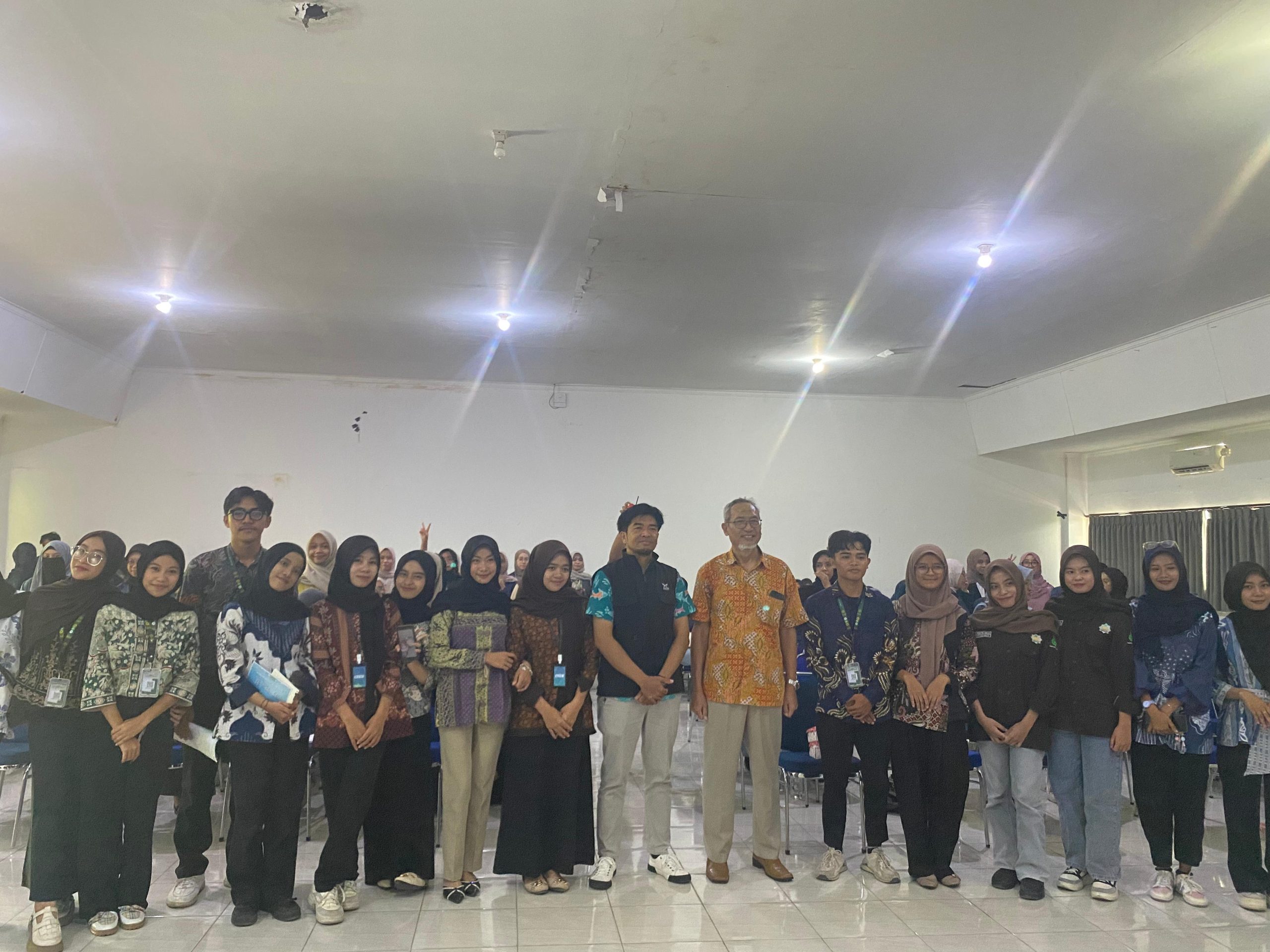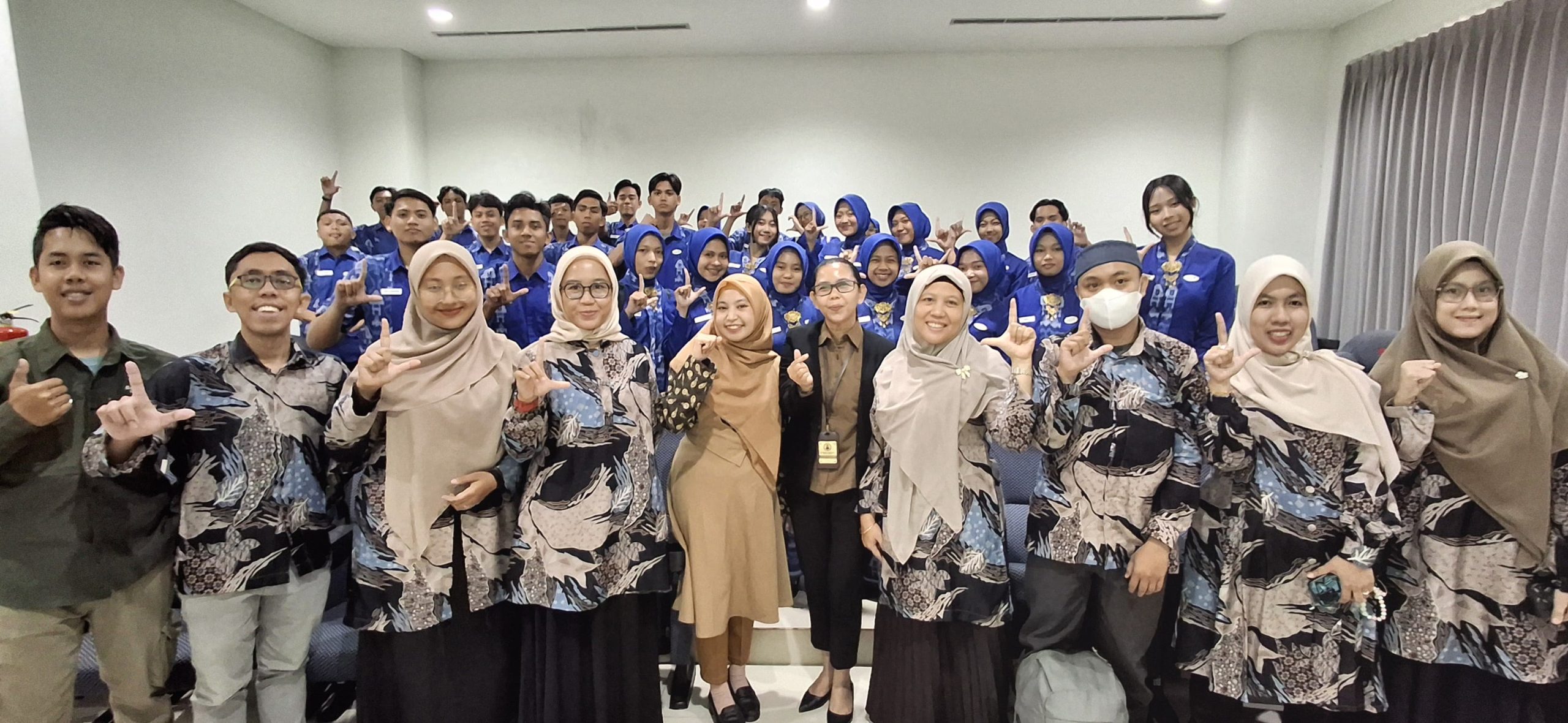
A team of lecturers from the Biology Education Study Program, Faculty of Teacher Training and Education (FKIP), University of Mataram, has initiated a strategic research project focused on restoring coral reef ecosystems in the Gili Meno, Trawangan, and Air (Gili Matra) Marine Conservation Area, North Lombok Regency. The research is led by Prof. Dr. Imam Bachtiar, M.Sc., and involves a cross-disciplinary team consisting of Edwin Jefri, S.Kel., M.Si. (Marine Science), Eni Suyantri, S.Si., M.Pd. (Biology Education), and Gde Cahyadi Wirajagat, S.Pd., M.Sc. (Biology Education).
In addition to faculty members, the project also engages students — including Yeni Ainiyawati — and collaborates closely with the Gili Matra Marine Conservation Area Management Unit (UPT KKP Gili Matra).
Recognized as one of Asia’s premier marine tourism destinations, Gili Matra has faced significant coral reef degradation due to intense human activities and global climate change, particularly coral bleaching events.
Funded by the DIPA BLU (PNBP) of the University of Mataram for Fiscal Year 2025, the research is designed to span three years. The first year focuses on studying coral recruitment processes, or the natural addition of coral juveniles in reef habitats. The second year will examine coral larval supply, while the third year will formulate a scientifically grounded plan for coral reef rehabilitation.
Student participation in this project also serves to strengthen research-based learning at the undergraduate level. Several student theses will explore the community structure of Scleractinian corals and the diversity of coral recruits in Gili Air and Gili Trawangan.
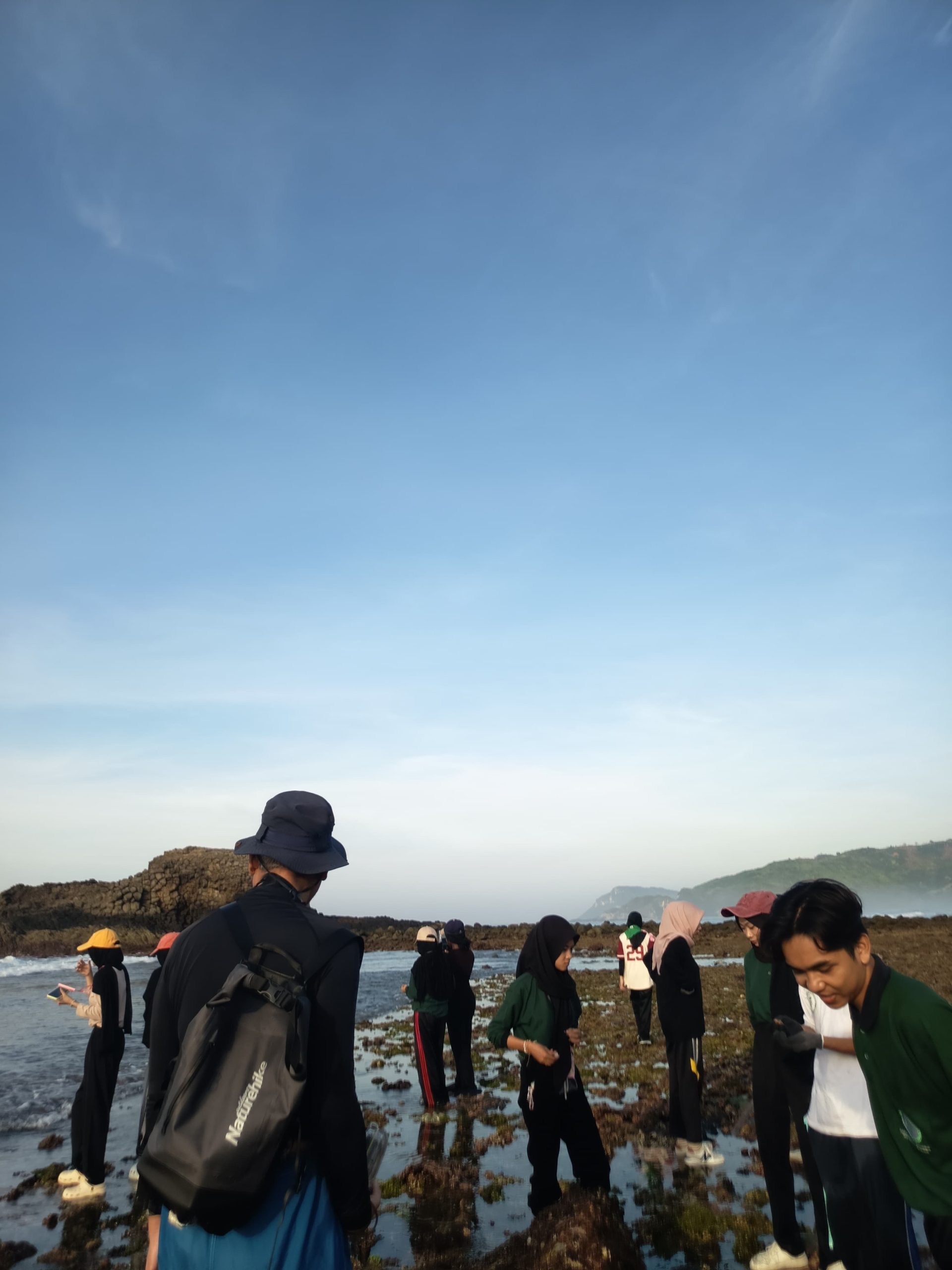
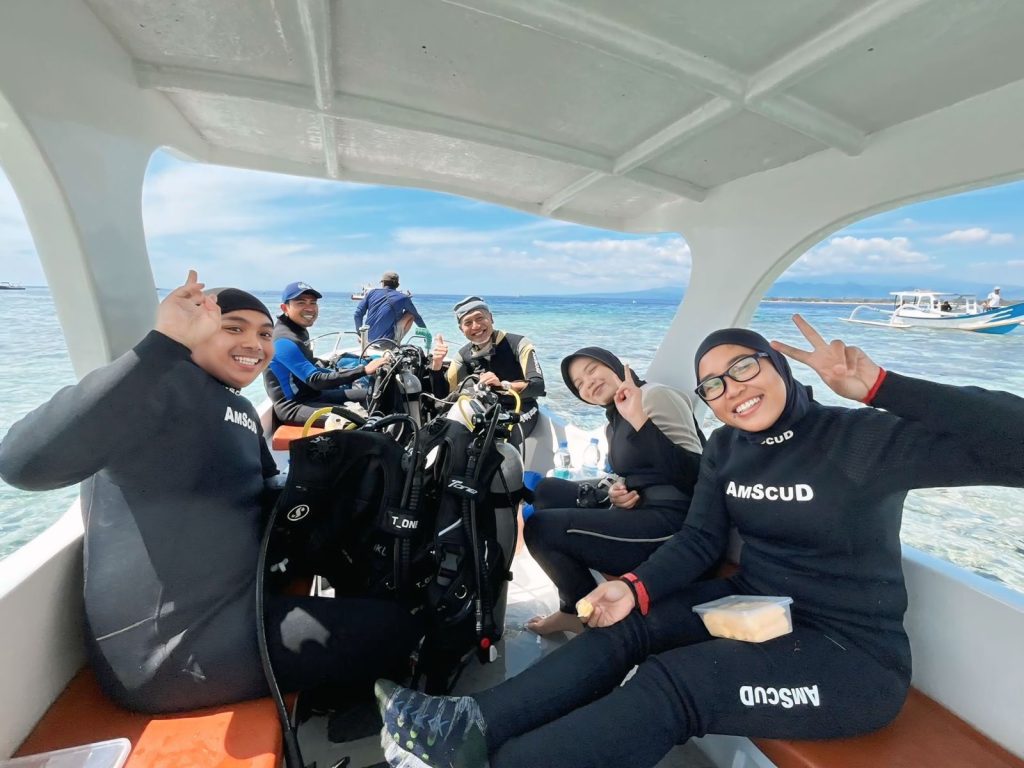
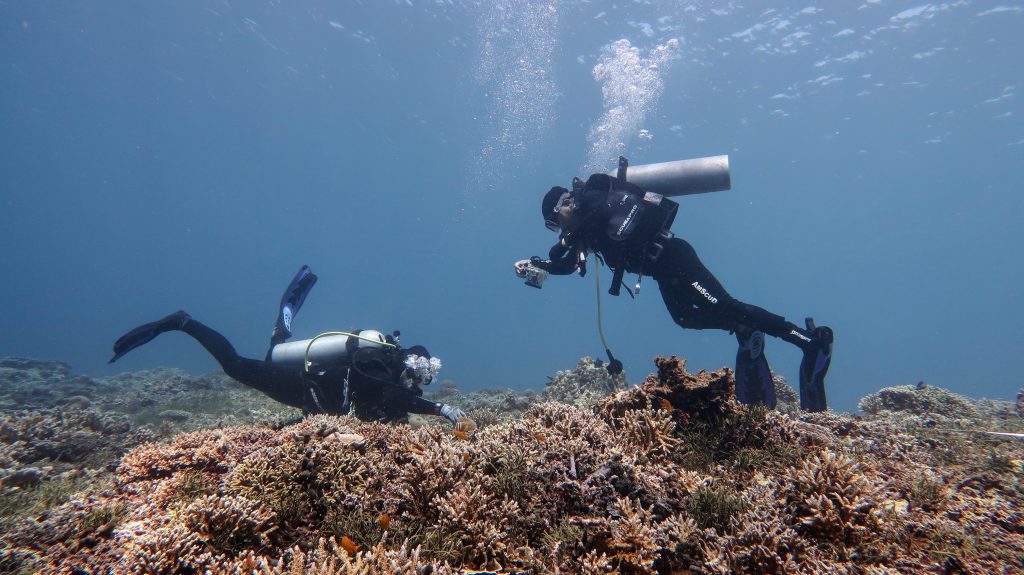
The first phase of the research was conducted in July 2025 over four full days in the waters of Gili Matra. The research team collected data through scientific diving methods. All lecturer participants hold certified diving licenses, ensuring compliance with underwater safety standards.
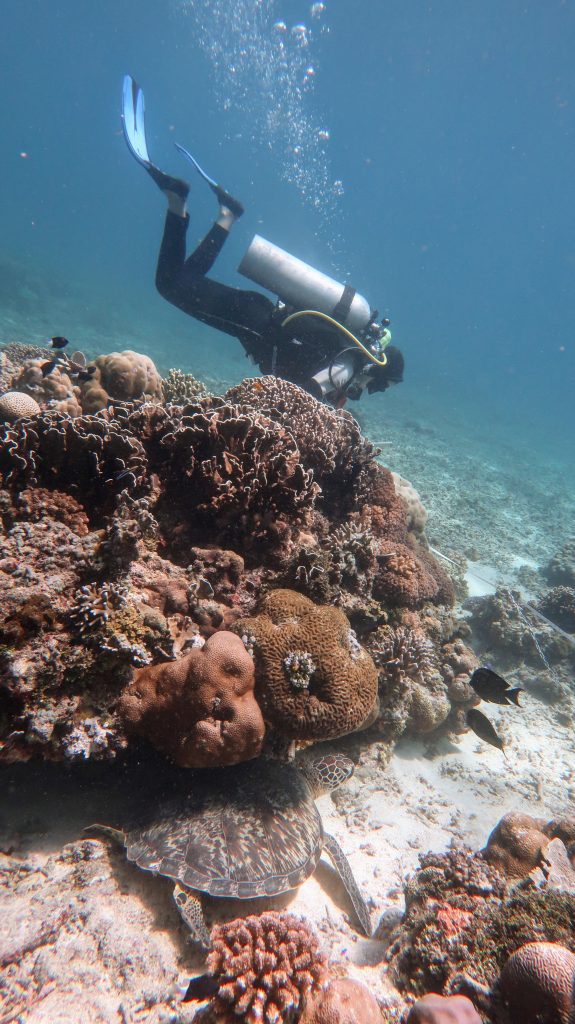
During the fieldwork, the team recorded coral recruit abundance and documented benthic substrates using underwater photo transect techniques. The collected data were then analyzed using specialized software to assess the current conditions of coral cover, algal presence, and substrate types that serve as settlement sites for coral larvae.
It is expected that this research will not only produce international Scopus-indexed publications, but also generate policy recommendations that contribute directly to coral reef management and conservation in North Lombok.