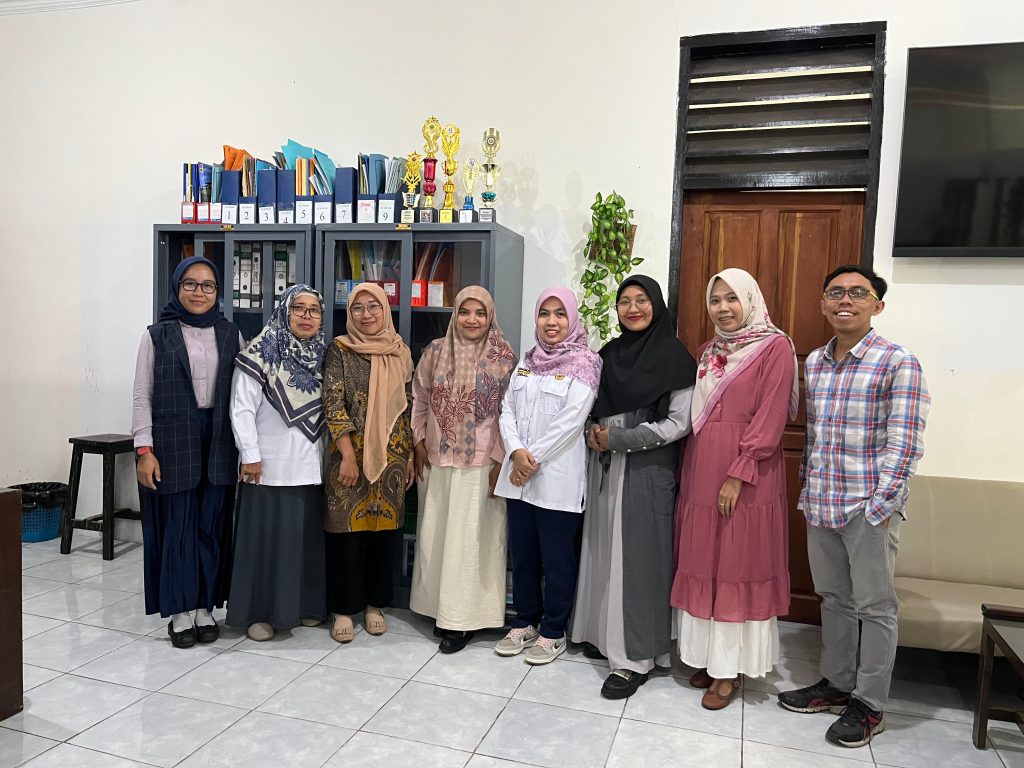
The Quality Assurance and Learning Development Institute (LPMPP) of the University of Mataram conducted an Internal Quality Audit (AMI) within FKIP from 27 October to 7 November 2025. The Biology Education Study Program was one of the programs audited to ensure optimal implementation of the Internal Quality Assurance System (SPMI).
The audit, held in the Meeting Room on the 3rd Floor of the FKIP building, covered the three main areas of the university’s tridharma. The Education component included curriculum, teaching and learning processes, academic services, and lecturer and student performance. The Research component evaluated publication productivity, research grants, collaborative projects, and research outputs. The Community Service component assessed faculty involvement in community programs, student participation, and the impact of these activities on society.
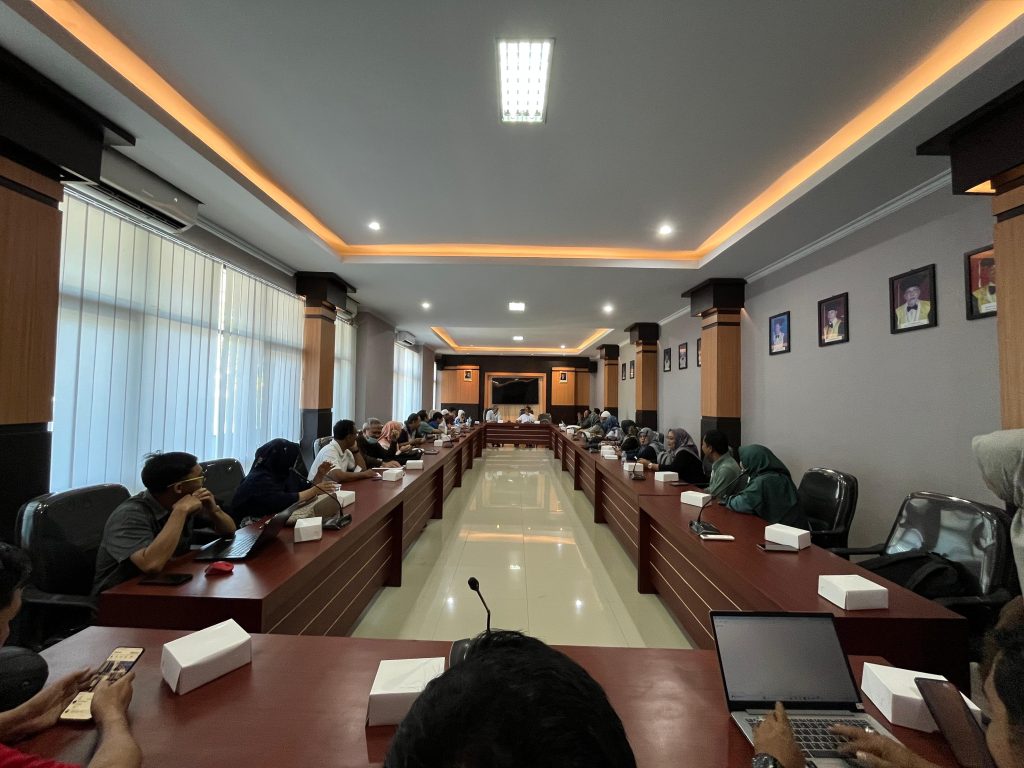
The LPMPP auditor, Nurmi Hasbi, S.Si., M.Si., from the Faculty of Medicine and Health Sciences (FKIK), conducted a detailed review of documents and interviews to assess the alignment of tridharma implementation and the study program’s governance with university quality standards.
During the preparation and audit process, the Biology Education Study Program’s Quality Control Team (GKM) showed strong performance by preparing instruments, compiling evidence, and providing clarification related to quality implementation at the program level. The team is chaired by Heru Setiawan, S.Pd., M.Si., under the coordination of the Study Program Coordinator, Dra. Dewa Ayu Citra Rasmi, M.Si., and the Study Program Secretary, Tri Ayu Lestari, M.Pd.
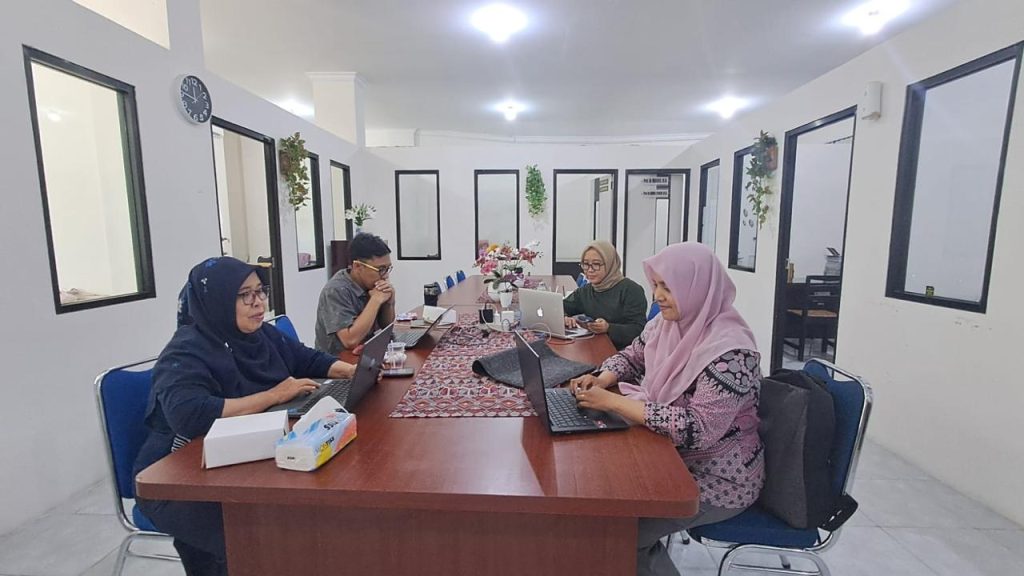
The AMI process ran smoothly and in an orderly manner. Based on the auditor’s initial review, the Biology Education Study Program was found to have made consistent efforts to implement the SPMI, particularly in improving the quality of learning, strengthening the research culture, and expanding the impact of community service initiatives.
Through this AMI activity, the Biology Education Study Program reaffirmed its commitment to continuously fostering a culture of quality and enhancing its tridharma services. The Study Program Coordinator, Dra. Dewa Ayu Citra Rasmi, M.Si., emphasized that AMI serves as an essential reflection tool. “We will follow up on all auditor recommendations through continuous improvement measures to enhance academic quality and study program governance,” she stated.
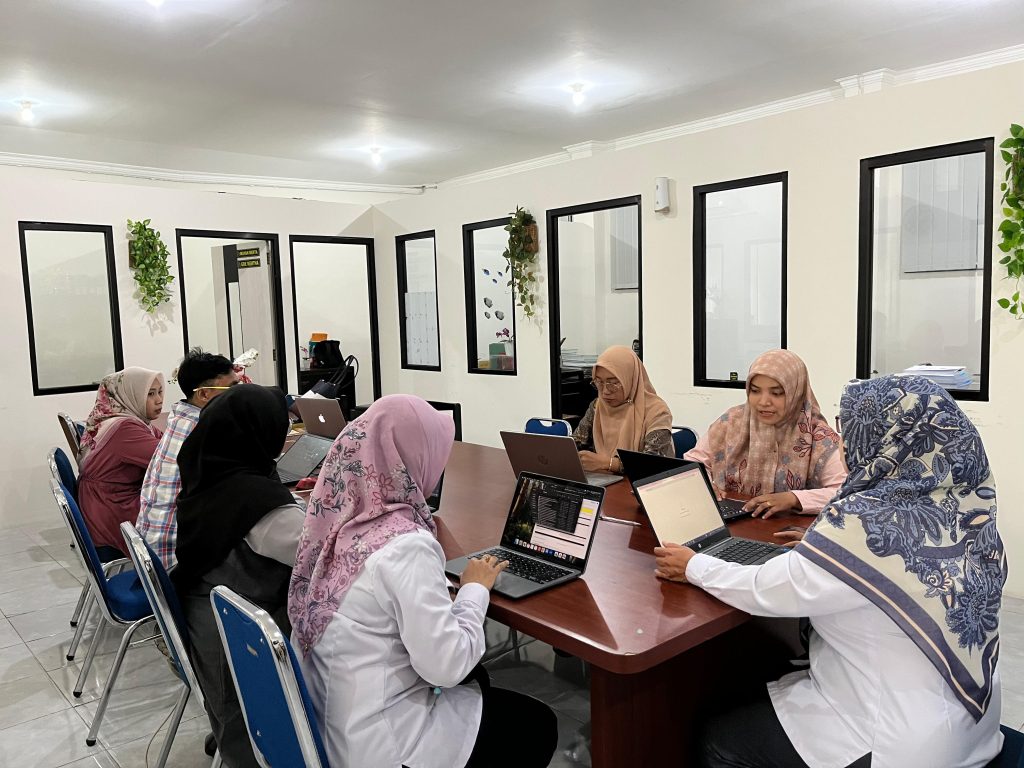
AMI serves not only as an evaluation process but also as a momentum to strengthen accountability, improve the effectiveness of quality management, and move the Biology Education Study Program toward excellence.